Skip to content
SpokeBridge Sourcing · Fitment checklistAxle · PCD · Offset · LoadReview the checks

ALTERNATIVES GUIDE

Forged, Flow-Formed or Cast Wheels? SpokeBridge Sourcing

Choose the evidence first, then compare how the wheel is made. This guide helps a buyer keep fitment, finish and delivered cost on the same decision sheet.

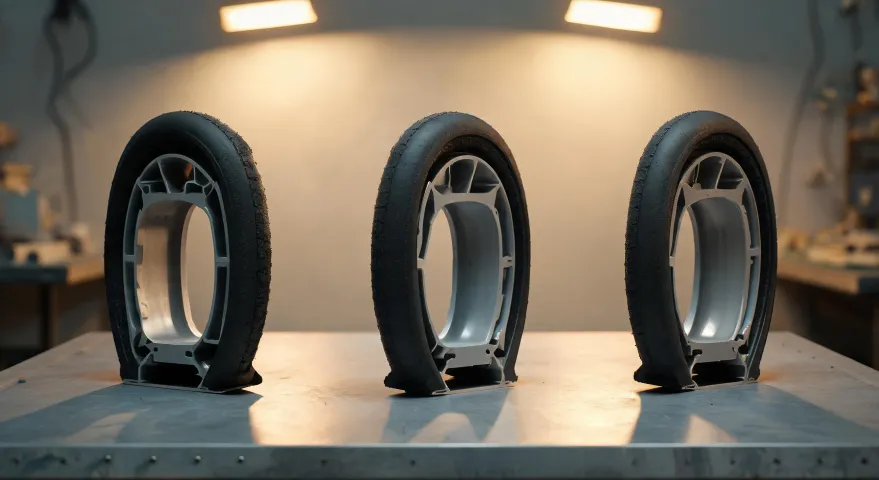
Unbranded alloy wheel profiles ready for comparison

A comparison board for the quote sheet

These bands group the checks to finish before cost comparison. They represent buyer decisions, not measured product ratings.

01 / Geometry

Start with dimensions and mounting. Compare PCD, center bore and the fastener seat against the existing interface. Hub-centric and lug-centric designs locate the wheel differently; obtain the approved mounting method instead of treating the two terms as quality grades.

02 / Construction

A forged blank may permit a design at lower mass, depending on geometry and load. A flow-formed route can change the rim barrel without describing how the entire wheel was made. A cast design can make sense if an existing drawing and part-level evidence meet the buyer’s duty. Compare weight in the same units and only after matching size and load rating.

03 / Commercial scope

Once the geometry and evidence line up, compare sample cost, finish minimums, packaging, freight and destination. Keep one column for departures. The same unit cost can cover different hardware, and a different finish can change both lot size and lead time. For a budget-driven line, ask the factory to identify its standard finish. For a premium finish, ask for a separately priced sample and the supplier’s written acceptance criteria.
Read the supporting records

  • SAE J2530 scope

    SAE International revised this recommended practice in December 2024. Read the scope when defining evidence for an aftermarket wheel on a passenger car, light truck or multipurpose passenger vehicle in normal highway use. Ask the manufacturer which report covers the proposed part and revision. For a radial fatigue report, ask for the test load, wheel size, mounting setup and result, and record which drawing the lab used.

  • Build a wheel fitment record

    Use the drawing and clearance checklist to separate a plausible wheel from a wheel ready for technical approval.

Three points to pause the purchase

  1. Before quote comparison Match the axle, dimensions and quote basis. Send unsupported assumptions back to the supplier.
  2. Before pilot approval Confirm how clearance, finish and mounting will be checked on the intended vehicle.
  3. Before production release Resolve drawing or report gaps and identify what would require a fresh review if the manufacturing source changes.

Compare wheel construction options in the catalog.

Share the choices still open

Tell us which materials or finishes your team can consider. Keep the load and mounting constraints explicit so proposed alternatives can be compared.

Request Factory Quotes